
HORIZONTAL PUMP PMC-1
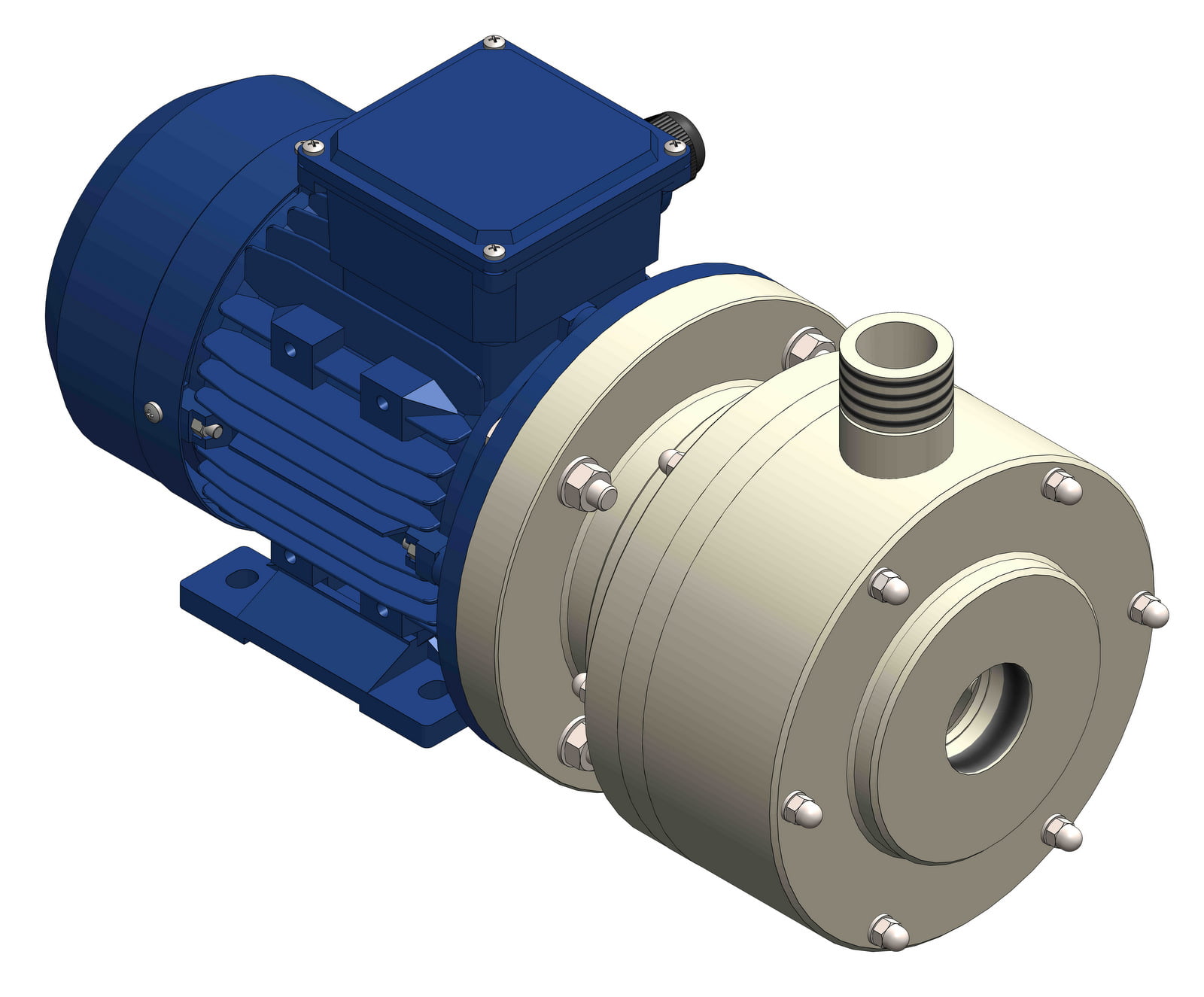
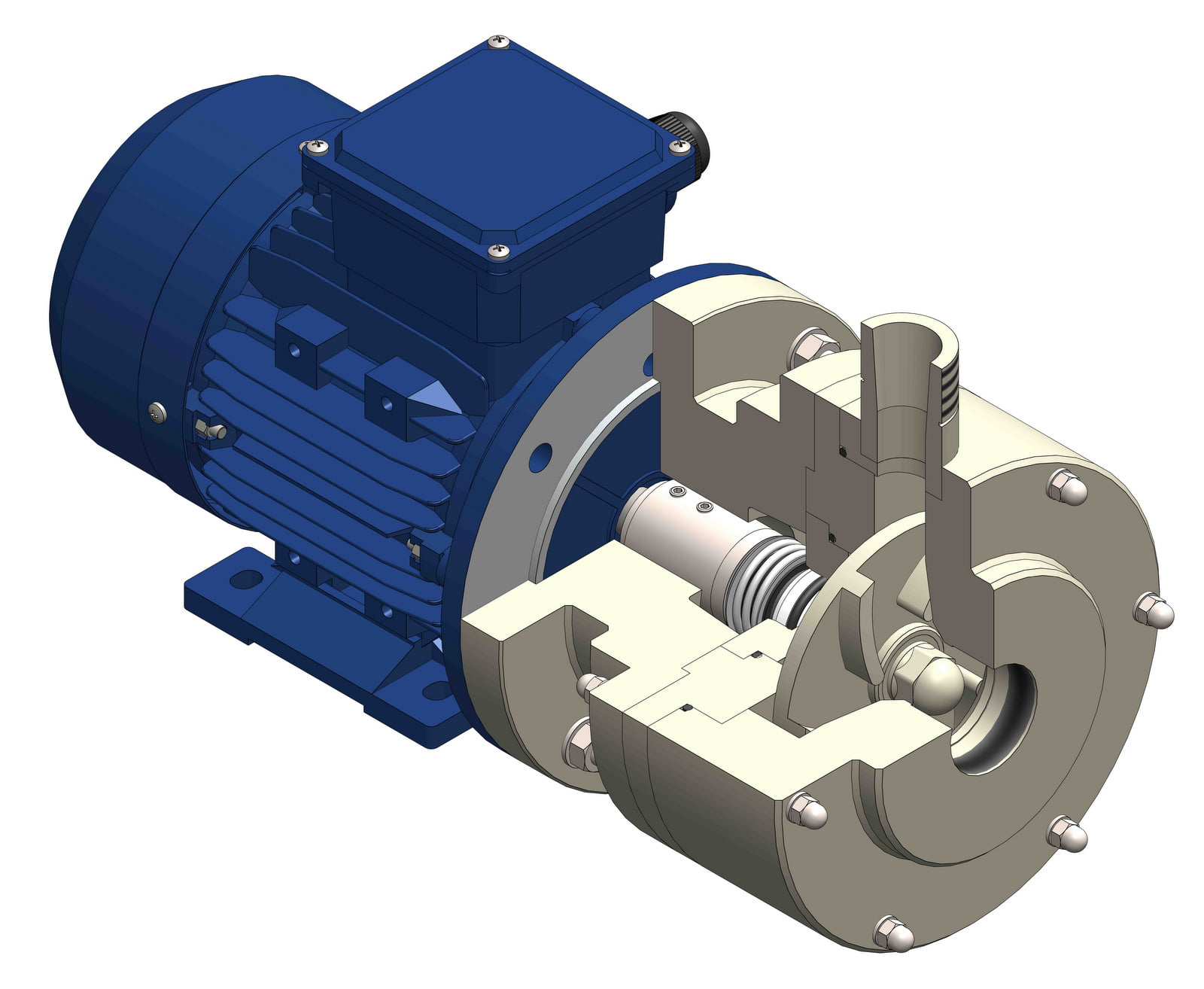
HORIZONTAL PUMP PMC-1
- Made of Polypropylene (PP), PVC or PEHD is guaranteed to a wide range of chemicals with temperatures up to 80 ºC
- With single or double flow seal
- Extremely easy maintenance
- No metal part is in contact with the pumped liquid
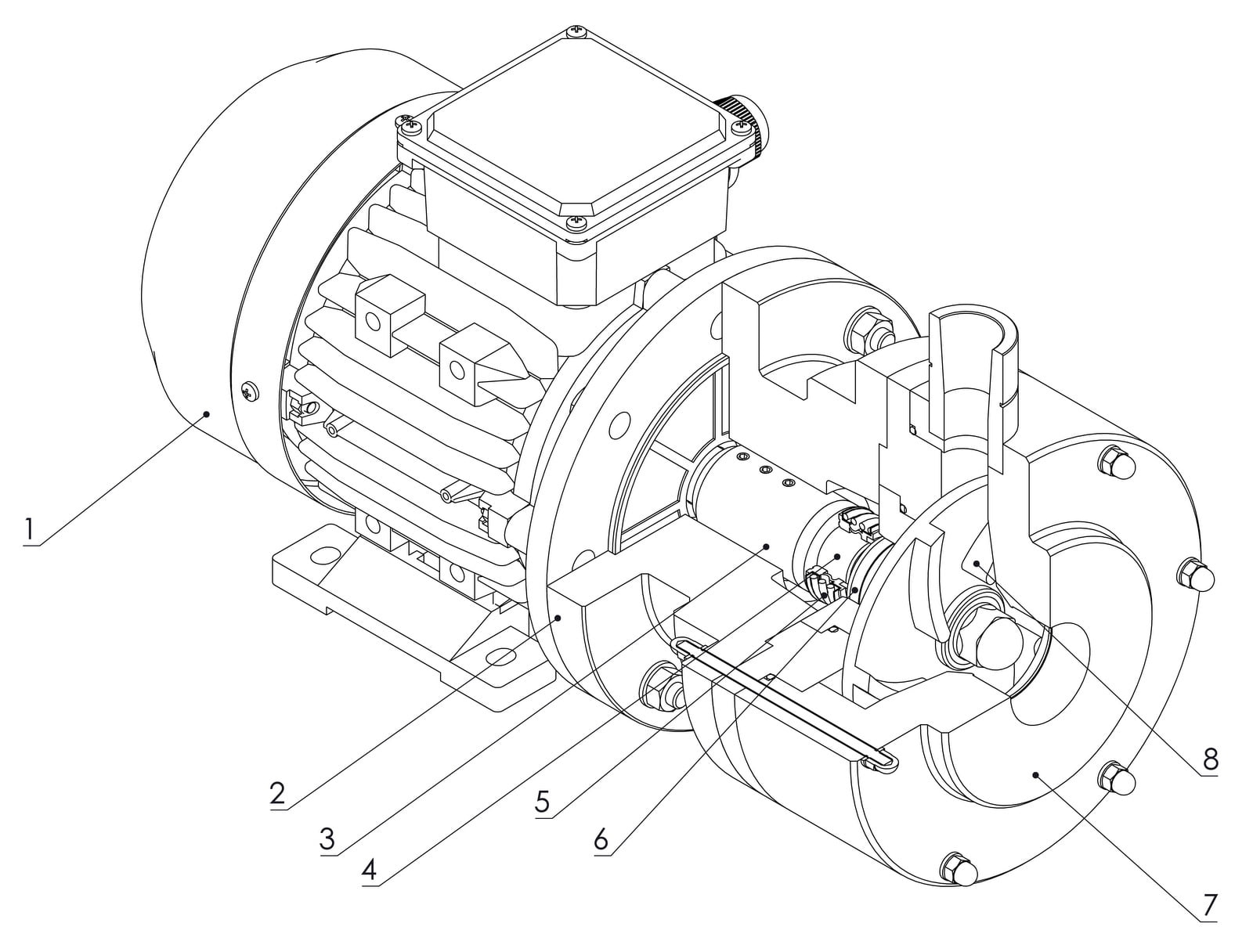
- Motor
- Pump Support
- Shaft
- Bush
- Rotating Mechanical Seal
- Fixed Ring
- Pump Housing
- Impeller
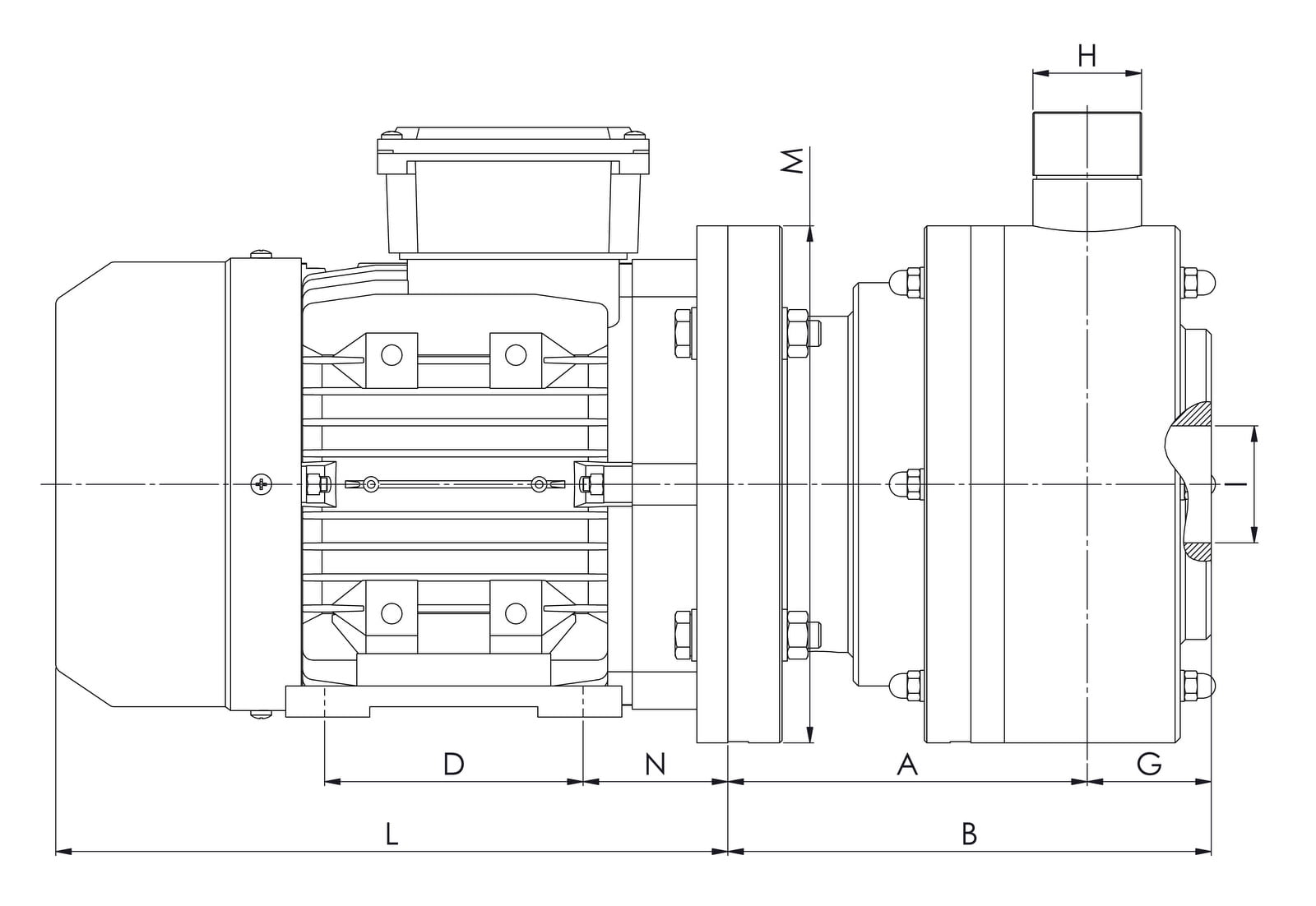
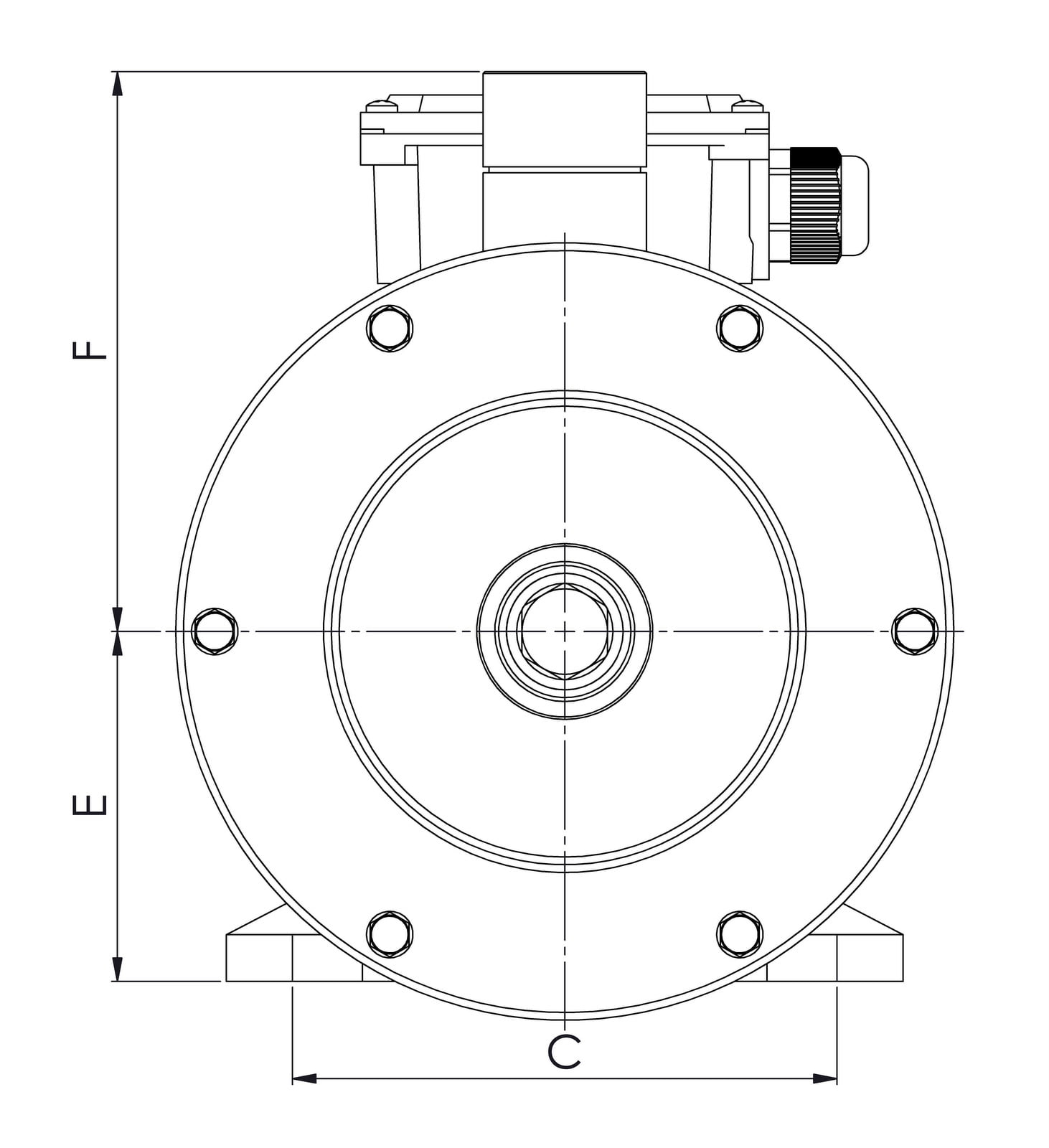
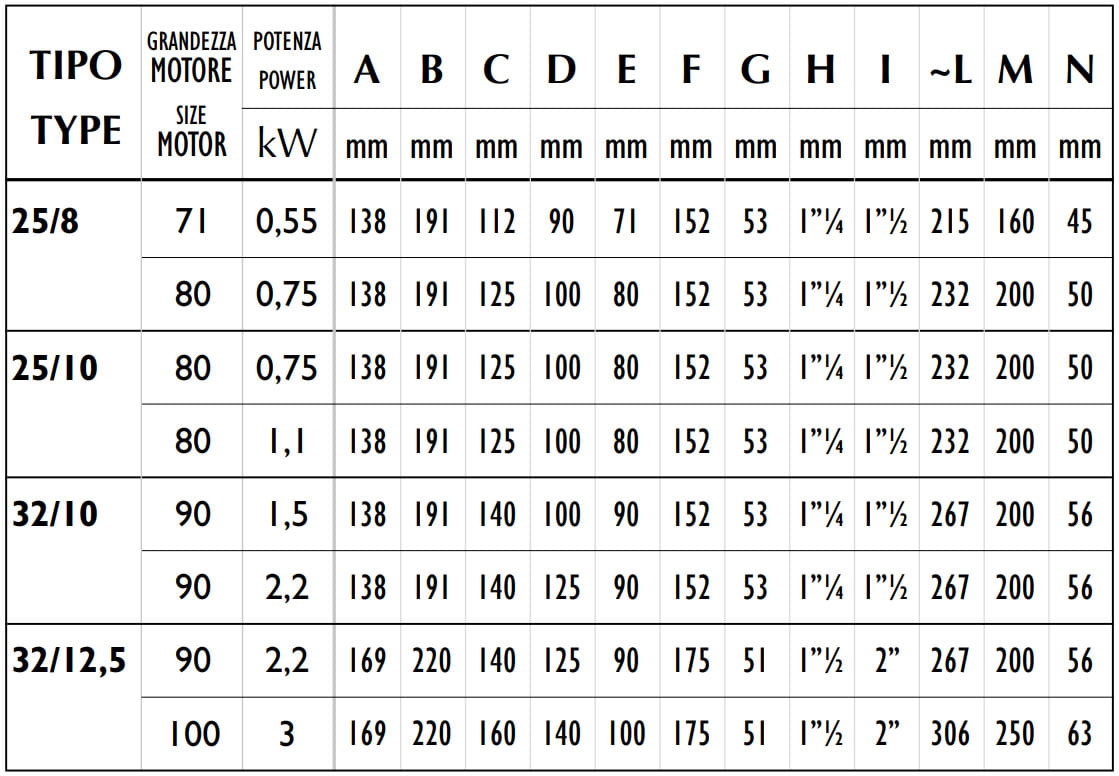
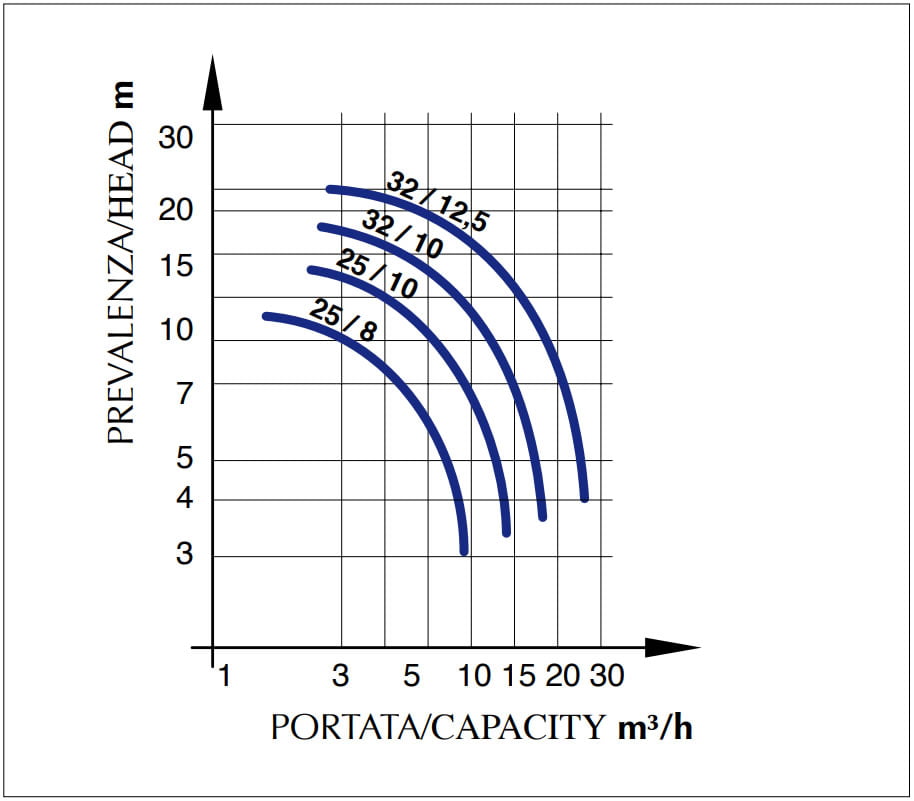
TECHNICAL DATA
MORE INFO?
PMC-1: mechanically sealed centrifugal pump for acids
The PMC-1 is one of the Nuova Darimpianti horizontal centrifugal pumps with a mechanical seal. It is made of polypropylene (PP), PVC or HDPE, no metal part comes into contact with the pumped liquid, and it can be fitted with a single or a double flushed seal. It is the conventional choice for anyone looking for an acid pump installed alongside the tank, easy to dismantle and service.
The difference from the HTM magnetic drive pump is the seal. Generally speaking, a mechanically sealed pump copes better than a magnetic drive pump with liquids that are not perfectly clean and with variable operating conditions, while the magnetic drive removes the risk of seal leakage. When higher flow rates are needed, the same design is available as the PMC-2 monobloc for high flow rates.
- Transferring acids and alkalis between storage tanks
- Recirculating electroplating and pickling baths
- Feeding filters and heat exchangers in chemical plants
- Moving solutions in water treatment plants
- Process circuits in the tanning, steel and pharmaceutical industries
Frequently asked questions
Single or double flushed seal: which one?
A single seal suits many corrosive but non-hazardous fluids. A double flushed seal, with a flushing liquid between the two seals, protects the seal faces and adds a barrier to the outside. It is the choice for hazardous fluids or fluids that tend to crystallise.
Is the PMC-1 suitable for acid transfer?
Yes, tank-to-tank transfer is one of its most common duties. The material is chosen from PP, PVC and HDPE according to the acid, its concentration and the operating temperature.
How do I choose the right size?
We need the required flow rate, the total head of the system, the fluid properties and the piping layout. With these we check the curves in the technical data and propose the right size.